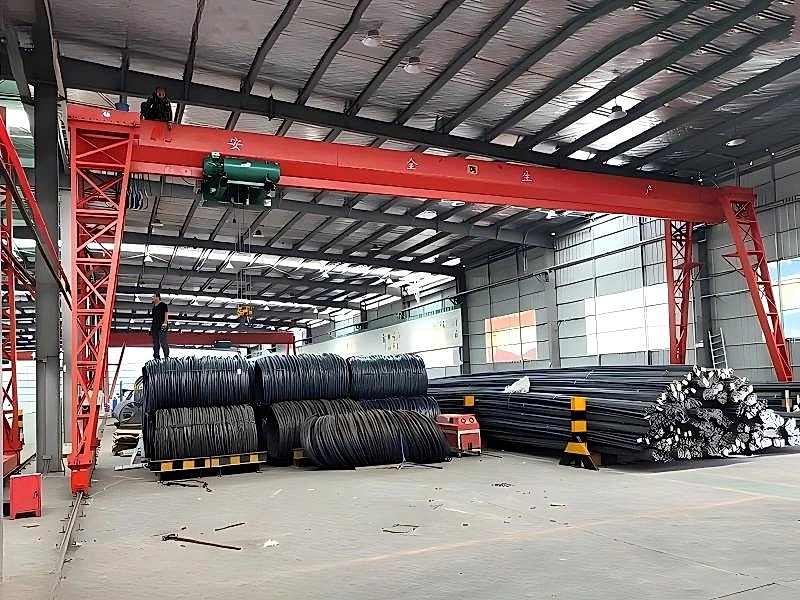
The single girder crane, a cornerstone in industrial lifting equipment, is widely used in factories, warehouses, logistics centers, and more. For international trade professionals and beginners entering this field, mastering its fundamental principles, technical parameters, and selection criteria is essential. This article combines theoretical analysis, practical case studies, and data-driven insights to provide structured learning recommendations, accelerating your expertise development.
Fundamentals & Technical Parameters
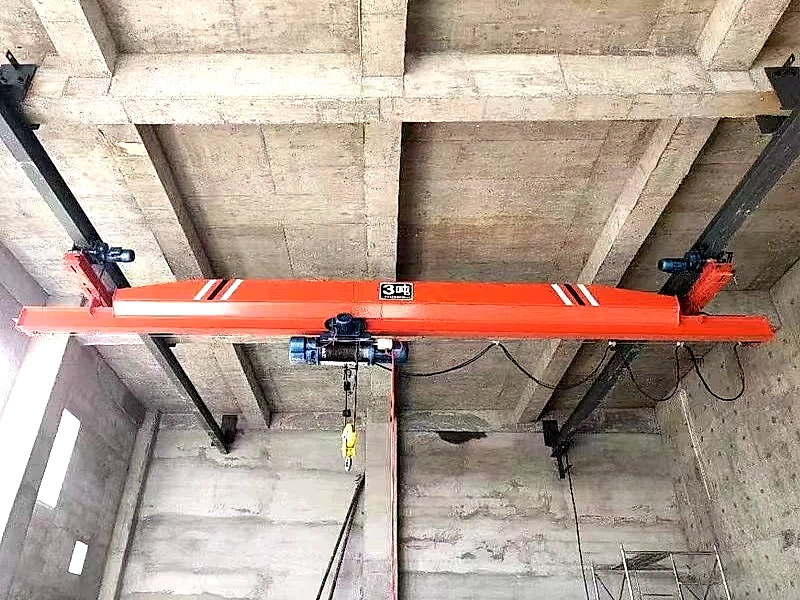
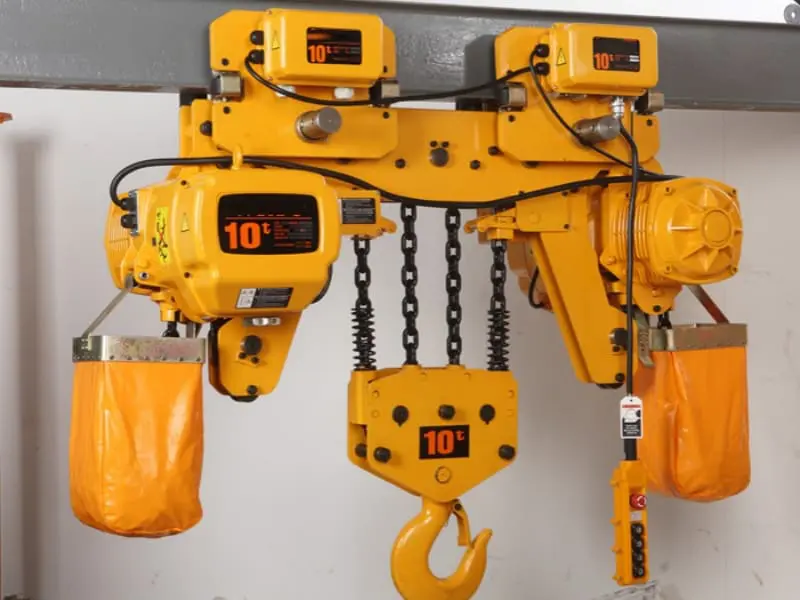
A single girder crane consists of a main girder, end beams, electric hoist, traveling mechanisms, and control systems. Understanding these key parameters is the foundation of proper selection:
- Rated Capacity: Typically 1t-20t; select based on actual load requirements.
- Span: Distance between tracks (e.g., 10m, 15m, 22m), affecting cost and stability.
- Lifting Height: Range from 6m-30m; consider facility ceiling height.
- Work Duty Class: ISO-rated A3-A7 (e.g., A5 for moderate use, A7 for heavy-duty continuous operation).
Selection Strategy & Case Studies
Effective selection requires analyzing load characteristics, spatial constraints, and energy efficiency requirements.
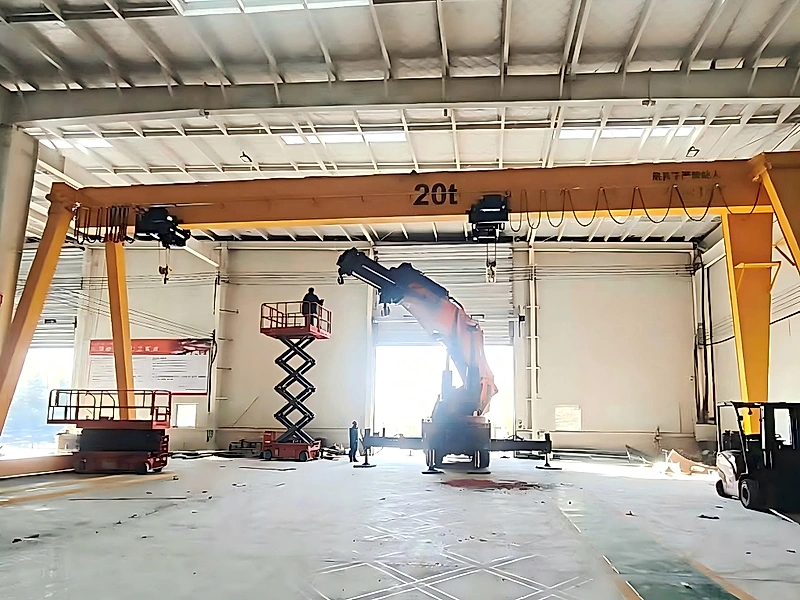
Case 1: Automotive Parts Factory
Configuration: 5t crane (A6 class, 16m span, VFD hoist)
Results: Automated material flow improved efficiency by 30%, reducing downtime by 15%.
| Parameter | Traditional | Upgraded |
|---|---|---|
| Lifting Speed | 8m/min | 10m/min |
| Positioning Accuracy | ±50mm | ±10mm |
| Energy Consumption | 2,400 kWh/month | 1,920 kWh/month (-20%) |

Case 2: Logistics Warehouse
Configuration: 15t crane (A5 class, 22m span, dual-speed hoist)
Results: Covered full warehouse area, boosting daily throughput to 120 tons.
Key Insight: Span optimization reduced track length by 12% and costs by 8%.
Safety & Maintenance Essentials
- Routine Checks: Inspect wire rope wear (>10% replacement threshold), track alignment (≤3mm deviation), and brake sensitivity.
- Predictive Maintenance: IoT sensors monitor load and runtime, reducing downtime by 25% through early fault detection.
- Safety Alerts: Based on 2025 global crane accident statistics, 45% of accidents stem from overload and 35% from inadequate maintenance. Strict adherence to load limits is critical.
Market Trends & Export Opportunities
- Global Growth: Emerging markets (Southeast Asia, Middle East) drive a 6.2% CAGR for single girder cranes.
- Tech Innovations: Lightweight aluminum girders, smart remote monitoring, and modular installation are gaining traction.
- Export Strategy: Focus on customization and provide parametric selection tools to accelerate client decision-making.
Mastering single girder cranes requires integrating theoretical knowledge with practical cases, prioritizing safety, and staying abreast of market dynamics.
Author: James, Technical Director at SunCan Crane | Contact: 17513262660@163.com