Mobile Jib Crane vs Overhead Jib Crane: Which One Do You Need?
Choosing between a mobile jib crane and an overhead jib crane is one of the most common dilemmas workshop managers face when planning a new material handling system. Both offer flexible lifting solutions, but they serve fundamentally different operational scenarios. Make the wrong choice, and you could end up with wasted floor space, compromised safety, or unnecessary expense. Make the right one, and you unlock a lift solution that pays for itself in productivity gains.
This guide breaks down the key differences, application scenarios, load capacities, and cost factors so you can determine exactly which jib crane type fits your workshop.
What Is a Mobile Jib Crane?
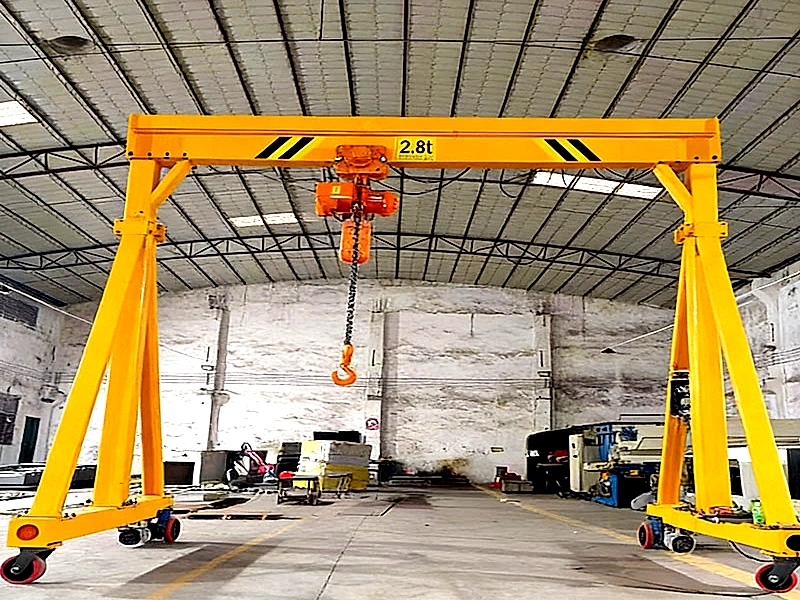
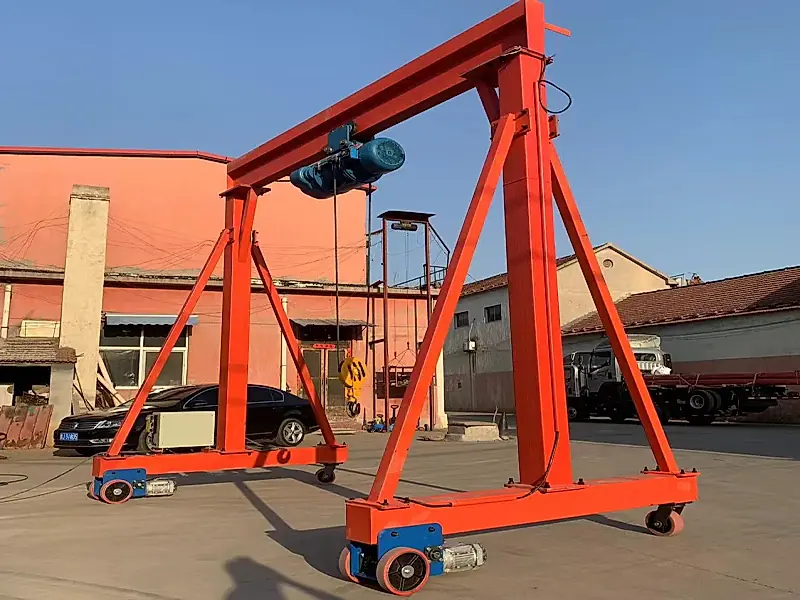
A mobile jib crane is a self-contained lifting unit mounted on a wheeled base or a powered chassis. It does not require permanent attachment to the floor, roof, or building structure. The mast supports a horizontal boom (jib) equipped with a hoist or trolley, and the entire unit can be repositioned to serve multiple workstations within the facility.
- Capacity range: Typically 0.25 to 5 tons
- Power source: Manual, electric pump (hydraulic), or battery-powered drive
- Mobility: Can be moved manually or driven to different locations
- Installation: No structural modifications required — roll in and use
What Is an Overhead Jib Crane?
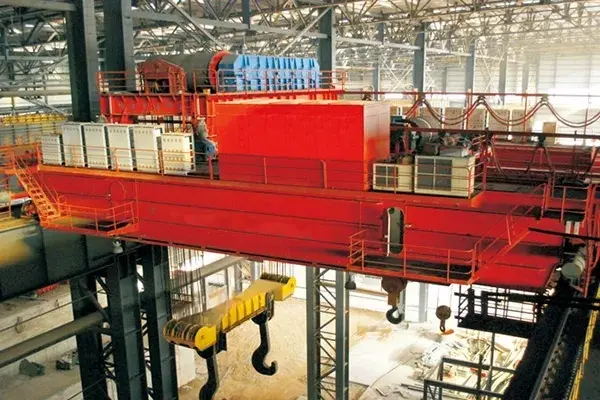
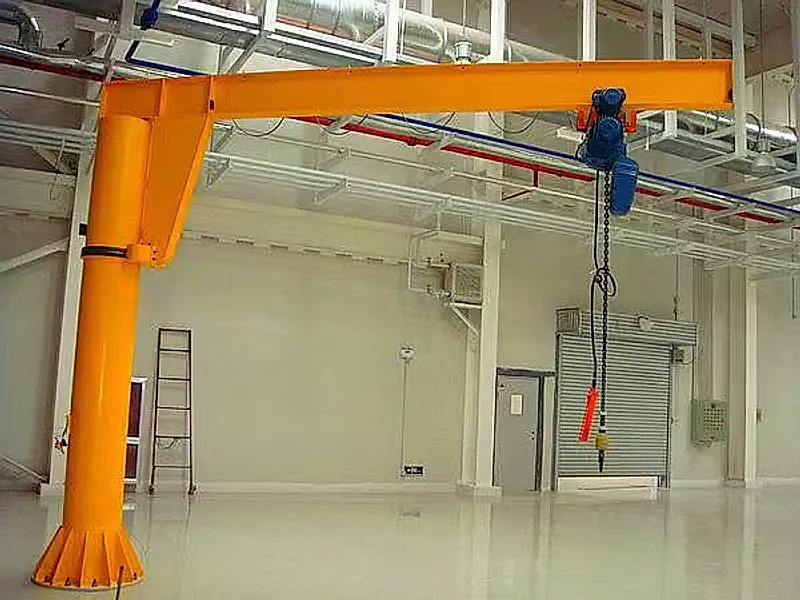
An overhead jib crane — sometimes called a wall-mounted or column-mounted jib crane — is fixed to either the building structure (wall, column, or ceiling) or a dedicated floor-mounted pedestal. Its boom rotates around a fixed pivot point, providing a defined circular or arc-shaped work area. Overhead jib cranes are permanent installations designed for repeated use at a single location.
- Capacity range: Typically 0.5 to 10 tons
- Power source: Electric hoist with manual or powered rotation
- Coverage area: 180° to 360° rotation depending on mounting type
- Installation: Requires foundation bolts, wall anchors, or structural reinforcement
Key Differences at a Glance
| Feature | Mobile Jib Crane | Overhead Jib Crane |
|---|---|---|
| Installation | No modification required | Permanent anchoring needed |
| Mobility | Moveable between stations | Fixed at one location |
| Load Capacity | Low to medium (≤5t) | Medium to high (≤10t+) |
| Work Area | Flexible — follows the crane | Fixed arc or circle |
| Floor Space Impact | Occupies floor area when parked | Minimal floor footprint |
| Cost | Lower initial investment | Higher but longer lifespan |
When to Choose a Mobile Jib Crane
A mobile jib crane is the right choice when your operation demands flexibility. If you handle loads at multiple points across the workshop and cannot justify dedicating a fixed lift station to each one, a portable jib crane on wheels solves the problem without requiring building modifications.
Best applications for mobile jib cranes:
- Multi-station workshops where loads are lifted at different locations throughout the day
- Rental facilities or temporary worksites where permanent installation is impractical
- Facilities with lease restrictions that prohibit drilling into floors or structural steel
- Maintenance bays where the crane must be moved outdoors or between buildings
- Low-frequency lifting tasks where a dedicated overhead crane would be cost-prohibitive
When to Choose an Overhead Jib Crane
An overhead jib crane is the superior choice when your lifting needs are concentrated at a fixed workstation and you require higher capacity, stability, and duty cycle. Because it is permanently mounted, it offers better rigidity and can handle heavier loads with less deflection compared to mobile alternatives.
Best applications for overhead jib cranes:
- Dedicated workstations such as machining centers, welding bays, or assembly lines
- High-frequency lifting operations where the crane is used dozens of times per shift
- Heavy loads exceeding 3 tons where stability is critical for safety
- Clean rooms or precision manufacturing environments where floor contamination from wheels is unacceptable
- Outdoor applications where wind or uneven ground makes mobile cranes unstable
How to Decide: A Practical Checklist
Ask yourself these five questions before making your purchase decision:
- How many workstations need lifting coverage? If more than two, mobile may be more cost-effective. If just one, overhead is likely better.
- What is your maximum load weight? Above 3 tons, an overhead jib crane provides superior safety margins.
- How often will the crane be used? High-frequency use favors the durability of a fixed overhead installation.
- Can you modify your building? If not, a mobile jib crane is your only practical option.
- What is your floor surface? Uneven, gravel, or soft floors make mobile jib cranes difficult to position safely.
Final Verdict
Neither mobile nor overhead jib cranes are universally better — the right choice depends entirely on your facility’s layout, lifting profile, and operational patterns. For flexible, multi-point lifting at lower capacities, a mobile jib crane is the practical workhorse. For fixed, high-capacity, high-frequency lifting, an overhead jib crane delivers superior stability and throughput.
Still unsure? Contact the Suncan Crane team with your workshop layout and load specifications. We provide free one-on-one consultation to recommend the exact jib crane configuration for your application.