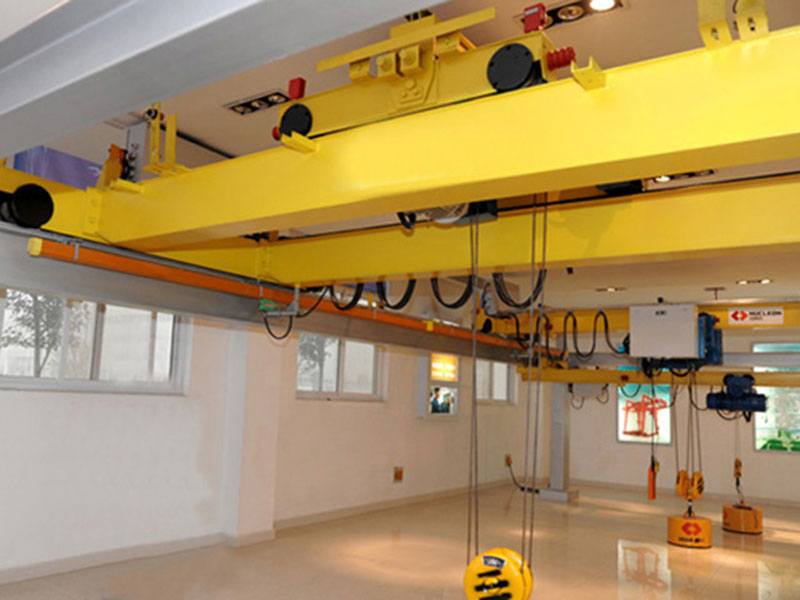
Overhead Crane Components: Essential Parts & Structure
Overhead cranes are indispensable in manufacturing, warehousing, and heavy industry, moving heavy loads safely and efficiently. Understanding core overhead crane components helps procurement specialists, facility managers, and maintenance teams make smart purchasing choices, ensure safety, and improve material handling workflows. This guide breaks down the key parts of a standard overhead crane system.
Bridge & End Trucks
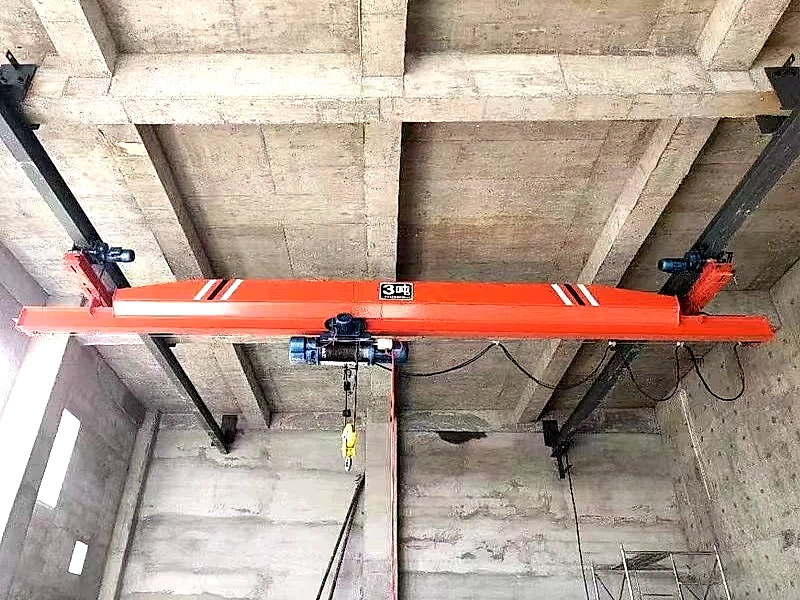
The Bridge is the main horizontal structure spanning the work area. It runs along runway rails and is usually built with two heavy girders.
At each end of the bridge, End Trucks hold the wheels that let the bridge move longitudinally. The bridge design—box-type, I-beam, or truss—directly defines lifting capacity and span.
Trolley & Hoist Unit
The Trolley moves across the bridge, allowing precise lateral load positioning.
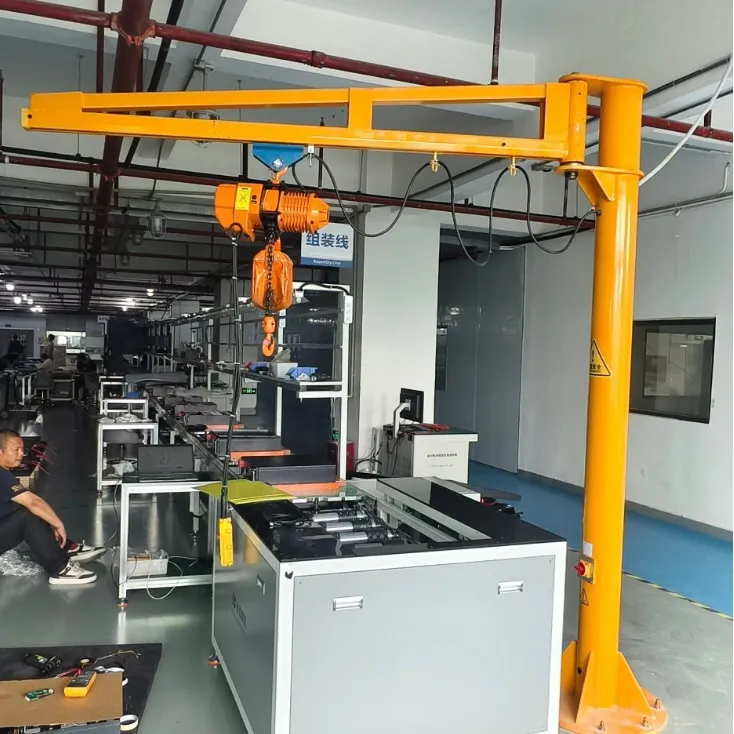
The Hoist Unit is the core lifting component, including a motor, gearbox, drum, wire rope or chain, and lifting hook. Together, the trolley and hoist cover the full rectangular working area.
Runway System
The Runway System supports the entire crane. It includes heavy-duty Runway Beams fixed to building columns or support structures.
- Supports crane travel rails
- Requires stable alignment for smooth operation
- Reduces wear on wheels and rails
Control & Electrical Components
Modern cranes use pendant controls, radio remote, or cab controls. Key electrical parts include:
- Main disconnect switch
- Festoon or conductor bar for power supply
- Contactors and variable frequency drives (VFDs)
- Limit switches to prevent over-travel
Safety Components
Safety features are essential for reliable and compliant operation:
- Overload limit devices
- Bumpers and buffers
- Warning lights, horns, and emergency stops
How to Select the Right Crane Components
When sourcing an overhead crane, consider duty cycle, lifting capacity, span, and operating environment (high temperature, corrosion, dust). High-quality components from reliable manufacturers improve reliability, reduce downtime, and extend service life.
Conclusion
Understanding overhead crane components—bridge, runway, hoist, trolley, controls, and safety parts—helps buyers choose equipment that fits operational needs. Quality components improve safety, productivity, and long-term efficiency. Always consult professional crane engineers for proper specification and compliance with safety standards.