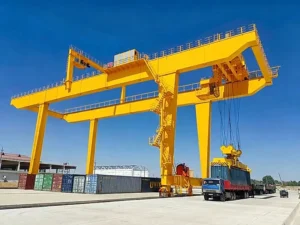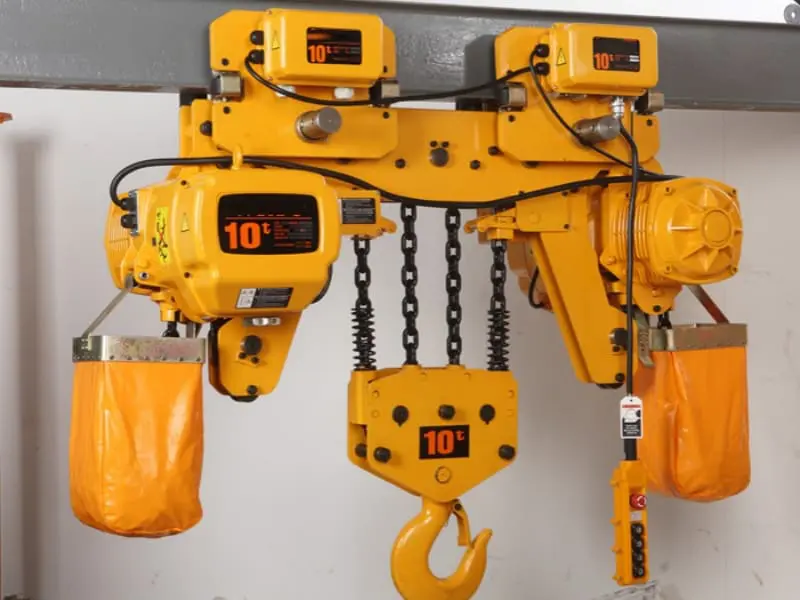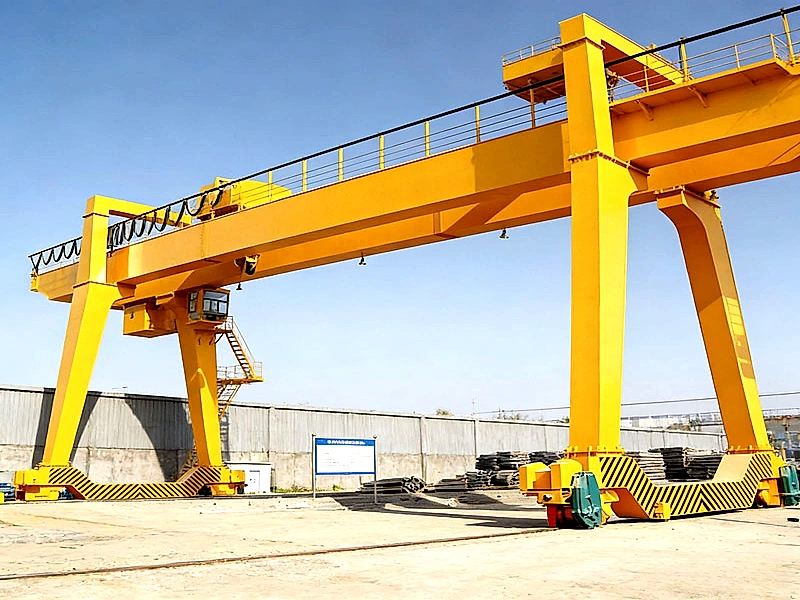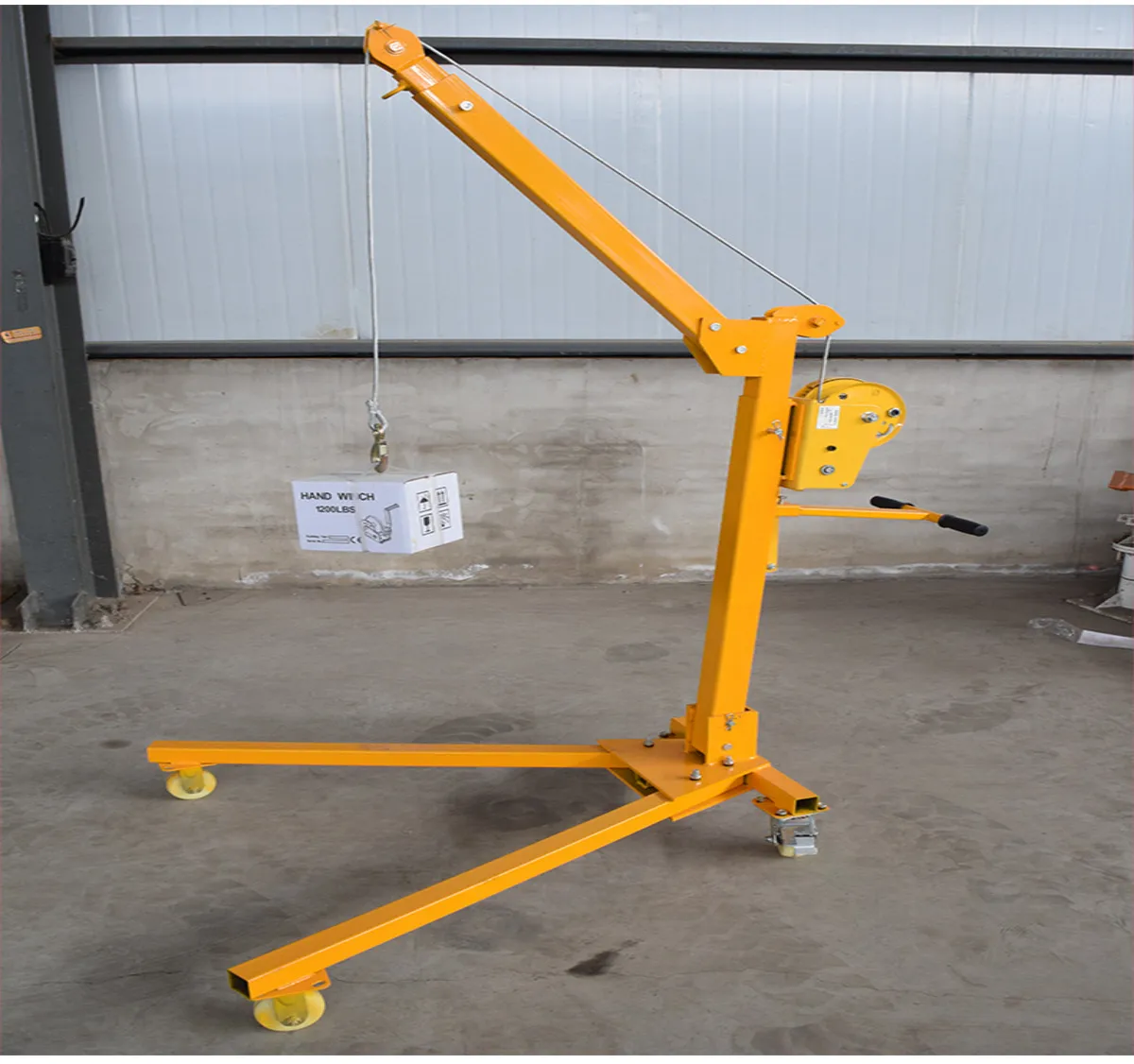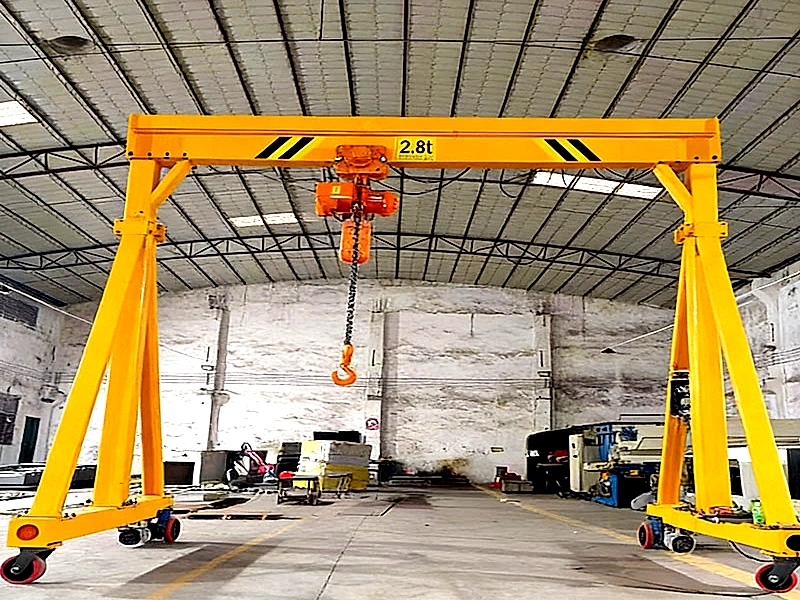
In today’s fast-paced industrial and workshop environments, efficiency and flexibility are paramount. The portable gantry crane has emerged as an indispensable tool for businesses seeking to optimize their material handling processes without the constraints of fixed infrastructure. Unlike traditional overhead cranes or bulky stationary gantries, a portable crane gantry offers unparalleled mobility, allowing it to be deployed exactly where and when it’s needed. This article explores the key features, benefits, and applications of these versatile lifting solutions, providing essential insights for B2B buyers in manufacturing, construction, warehousing, and maintenance sectors.
At its core, a portable gantry crane is a freestanding structure consisting of two upright legs connected by a horizontal beam (the bridge). The defining characteristic is its mobility; most models feature wheels, casters, or a lightweight design that enables easy relocation by a single operator. They are typically constructed from high-strength aluminum or steel. Aluminum gantry cranes are prized for their exceptional strength-to-weight ratio, making them easy to maneuver and ideal for applications where frequent movement is required. Steel models offer maximum load capacity and durability for heavier, more demanding tasks. The adjustability of the beam height and span is another critical feature, allowing a single unit to handle a wide range of loads and work within various spatial constraints.
The primary advantage of investing in a portable gantry system is operational flexibility. It eliminates the “dead zone” problem common with fixed cranes, enabling lifting operations anywhere on the shop floor, in a warehouse aisle, or even outdoors. This mobility translates directly into reduced downtime and increased productivity. Workflow bottlenecks are minimized as the crane can be quickly moved to support different stages of production, assembly, or loading. Furthermore, their standalone design means no costly installation, permanent floor anchoring, or significant building modifications are required. This makes them a cost-effective capital investment with a rapid return, especially for small to medium-sized enterprises or facilities with variable lifting needs.
When selecting a portable gantry crane, several technical specifications demand careful consideration. Load capacity is, of course, the foremost parameter, ranging from 500 lbs for light workshop duties to 10 tons or more for industrial applications. Buyers must account for the weight of the load plus any lifting attachments. The span (distance between the legs) and lift height must be compatible with the dimensions of the materials being handled and the clearance of the workspace. The type of mobility system is crucial: locking swivel casters provide omnidirectional movement and stability, while some heavy-duty models may require manual pushing or come with motorized options. Also, evaluate the hoist compatibility—whether it’s designed for a chain hoist, wire rope hoist, or lever hoist—as this affects both performance and cost.
The applications for portable gantry cranes are vast and cross-industry. In machine shops and fabrication facilities, they are used for positioning heavy machinery, molds, and raw materials. In warehouses and logistics centers, they facilitate the loading and unloading of pallets, crates, and equipment from trucks where overhead cranes are absent. Maintenance and repair departments rely on them for engine removal, component handling, and assembly tasks. They are also invaluable on construction sites for moving building materials and in event staging for lifting lighting and sound equipment. Their utility in any scenario requiring temporary, precise, and safe lifting is virtually unmatched.
Safety is a non-negotiable aspect of operating any lifting equipment. Reputable manufacturers design portable gantries with integrated safety features such as locking casters to prevent unintended movement during a lift, overload protection systems, and clearly marked load ratings. It is imperative that end-users adhere to strict operational protocols. This includes performing pre-use inspections for structural damage or wear, ensuring the load is centered and secured, never exceeding the rated capacity, and using the crane on a firm, level surface. Proper operator training is essential to prevent accidents and ensure a long service life for the equipment.
For B2B buyers, the procurement decision should balance performance, durability, and total cost of ownership. Partnering with a specialized supplier who offers customizable options—such as specific span widths, lift heights, or wheel types—ensures the crane perfectly fits your operational needs. Consider suppliers that provide comprehensive after-sales support, including detailed manuals, spare parts availability, and technical assistance. A high-quality portable gantry crane is not merely a tool but a strategic asset that enhances workplace safety, boosts productivity, and provides the agility to adapt to changing business demands. By choosing the right model for your specific applications, you invest in a solution that delivers reliable performance and a significant competitive advantage in material handling efficiency.