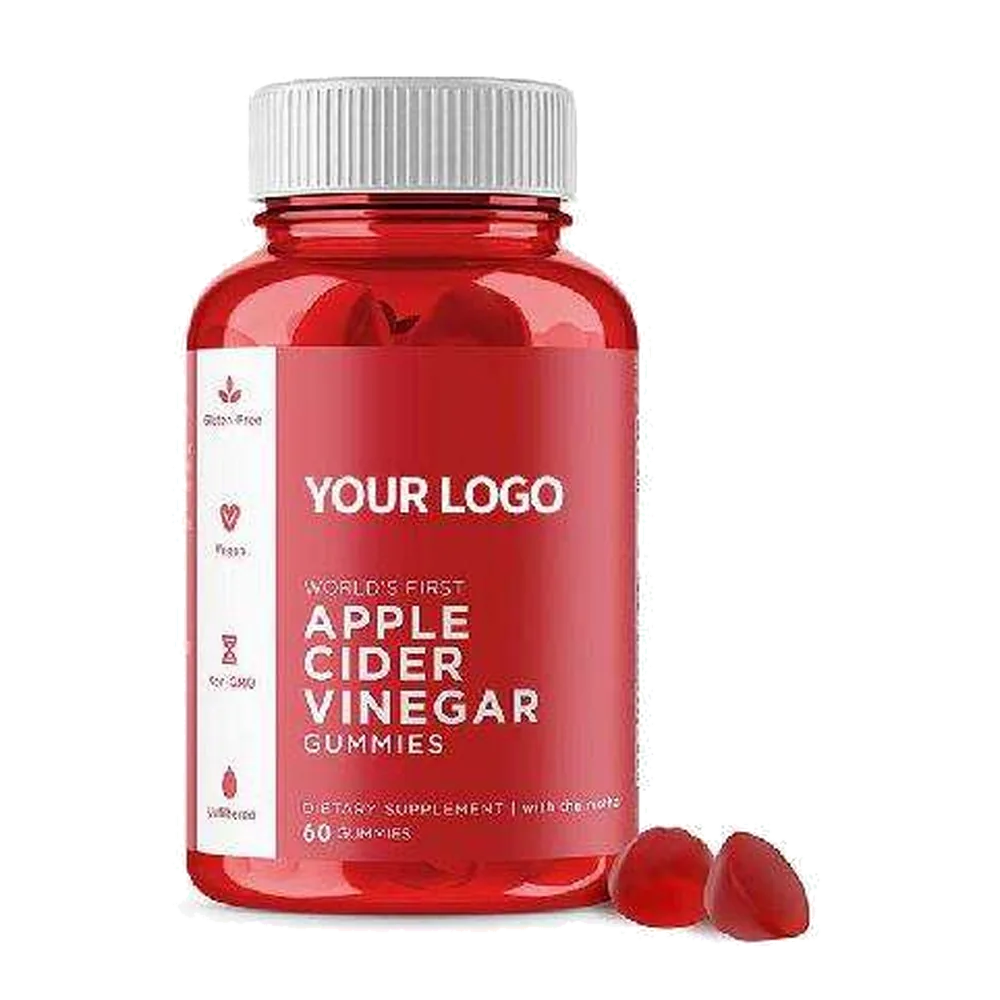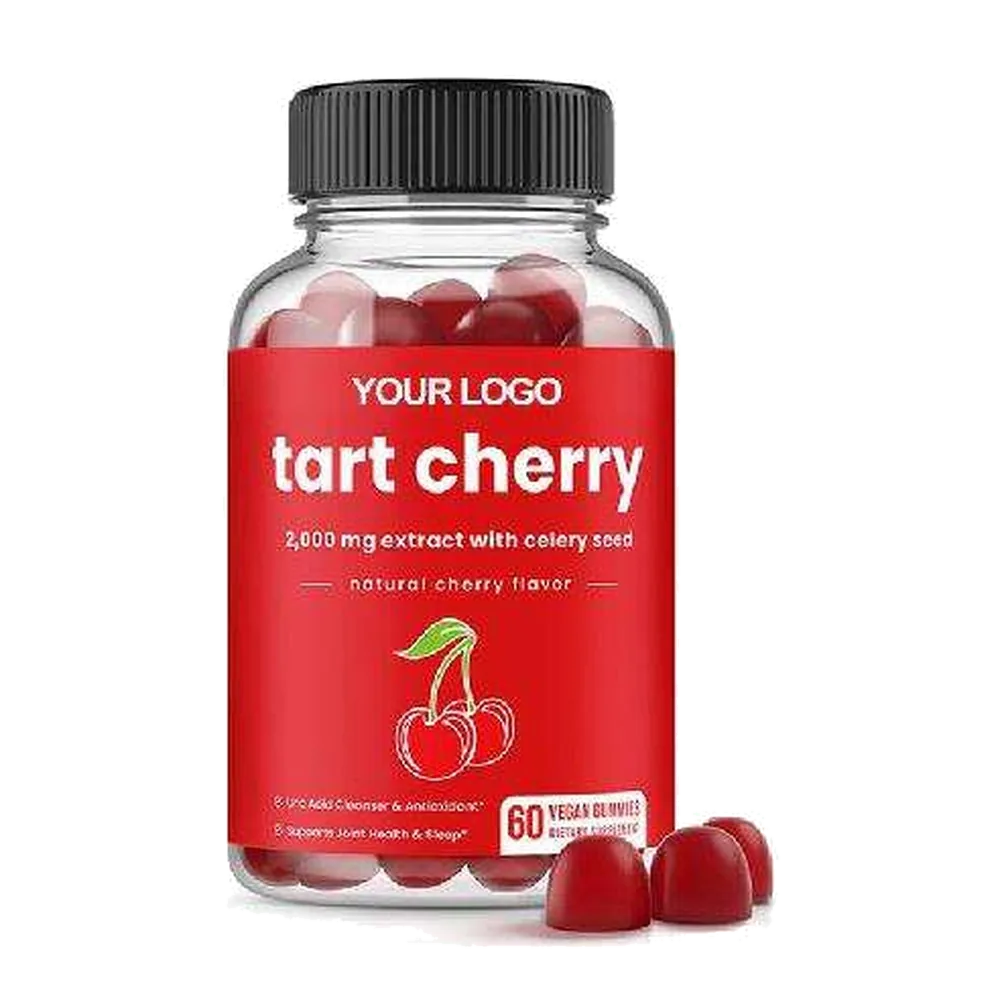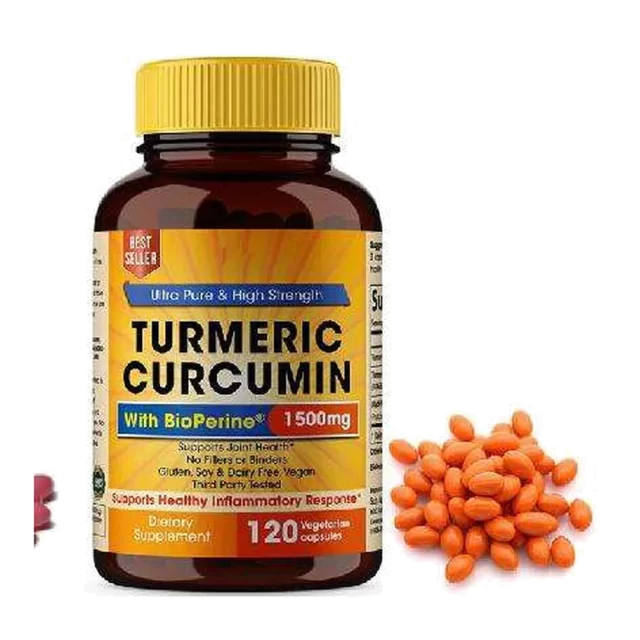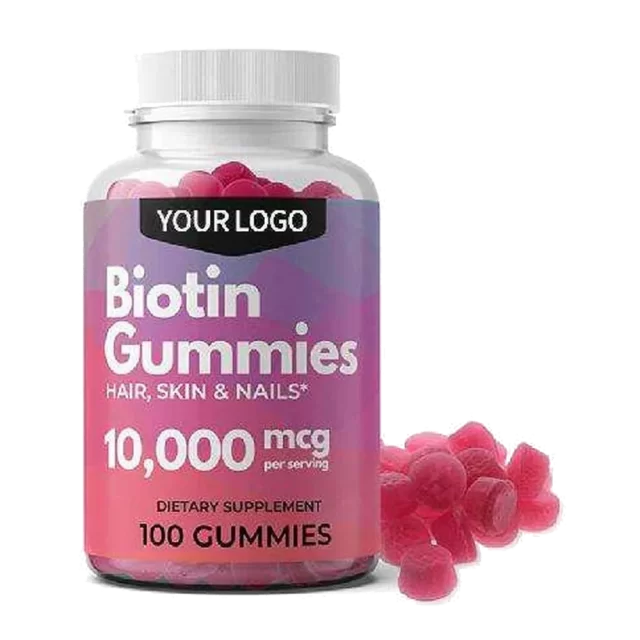
Private label, white label and OEM/ODM are often used interchangeably, but they describe different levels of customisation and control. Here is how they compare.
The three models at a glance
- White label — a ready-made product you sell under your own brand, with minimal changes.
- Private label — a proven formula produced for you with your brand, label and packaging.
- OEM / ODM — custom manufacturing: OEM builds your specification; ODM adds development of the formula itself.
White label
Fastest and often cheapest to launch. You choose from existing formulas and apply your branding. Limited differentiation because others can sell the same base.
Private label
Your brand on a proven formula, with control over label and packaging. A common middle ground that balances speed and differentiation.
OEM / ODM
Maximum control and differentiation. OEM manufactures to your formula; ODM means the manufacturer also develops the formula, dosage and format with you.
Comparison
| Model | Customisation | Speed | Cost | Differentiation |
|---|---|---|---|---|
| White label | Low | Fastest | Lowest | Low |
| Private label | Medium | Fast | Low–Medium | Medium |
| OEM / ODM | High | Longer | Higher | High |
Tip: For ODM work, clarify formula ownership and exclusivity in writing before development begins.
Which model is right for you?
Choose white label to test a market quickly, private label to build a brand on proven bases, and OEM/ODM when you need a unique formula or premium positioning.
Frequently asked
Q: Can I start with private label and move to ODM later?
A: Yes — many brands do exactly that as they scale.
Q: Who owns the formula?
A: It depends on the agreement; clarify ownership and exclusivity up front.
This guide is for general information only.
Gallery