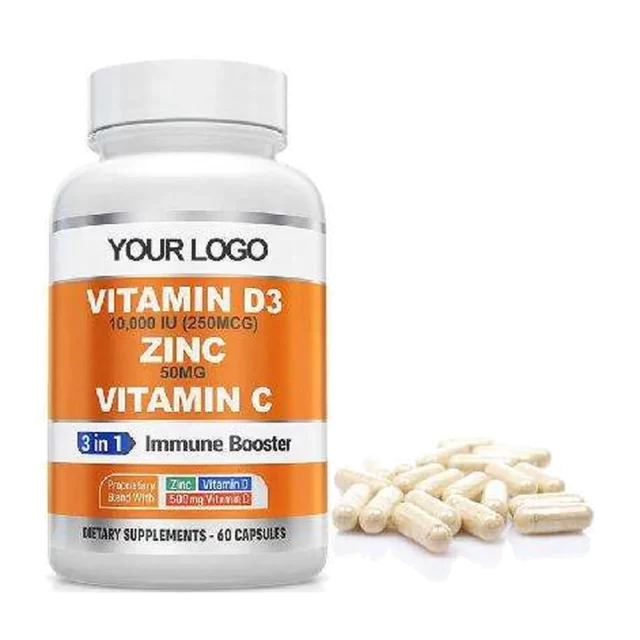
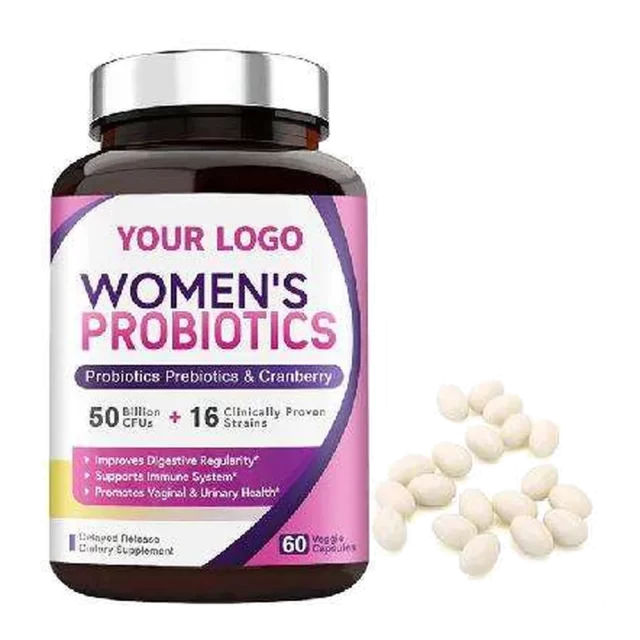
A specification sheet defines exactly what a product is — the reference against which every batch is made and tested. Here is how to read one.
What is a specification sheet?
It documents the agreed characteristics of a finished product: actives, excipients, physical form, test limits, packaging and shelf life.
Active ingredients and assay
This lists the active(s) and their target content, usually with an assay range (for example, “95–105% of label claim”).
Excipients and formulation
Excipients are the non-active ingredients that shape, bind, flavour or preserve the product. They matter for allergies, clean-label claims and vegetarian status.
Physical and microbiological specs
- Appearance, colour, flavour
- Weight and dimensions (for tablets/capsules)
- Disintegration or dissolution where relevant
- Microbiology limits and heavy-metal limits
Packaging and storage
Specifies the primary packaging (bottle, blister, sachet), count, and storage conditions (for example, cool and dry, away from sunlight).
Shelf life
States the shelf life under defined conditions, backed by stability testing. Always confirm the shelf life at the time of quoting.
Tip: Any change to the spec should be documented and re-agreed — the COA must always be tested against the current spec.
Frequently asked
Q: Who writes the spec sheet?
A: It is agreed between you and the manufacturer, and may be based on a standard or a custom formula.
Q: Why do minor differences appear between batches?
A: Natural raw materials vary slightly; specifications set the acceptable range.
This guide is for general information only.
Gallery