A Certificate of Analysis (COA) is a document that confirms a batch meets its specification. Understanding what it covers — and what to check — is essential for supplement buyers.
What is a COA?
A COA is a quality document issued for a specific lot. It reports the test results for that batch next to the specification limits, and states whether the batch passed.
What a COA should cover
- Identity — confirmation of the raw material or active
- Assay / potency — how much active is present
- Purity — contaminants and related substances
- Heavy metals — lead, arsenic, cadmium, mercury
- Microbiology — total plate count, yeast, mould, pathogens
- Residual solvents where applicable
- Appearance and physical data
In-house vs third-party testing
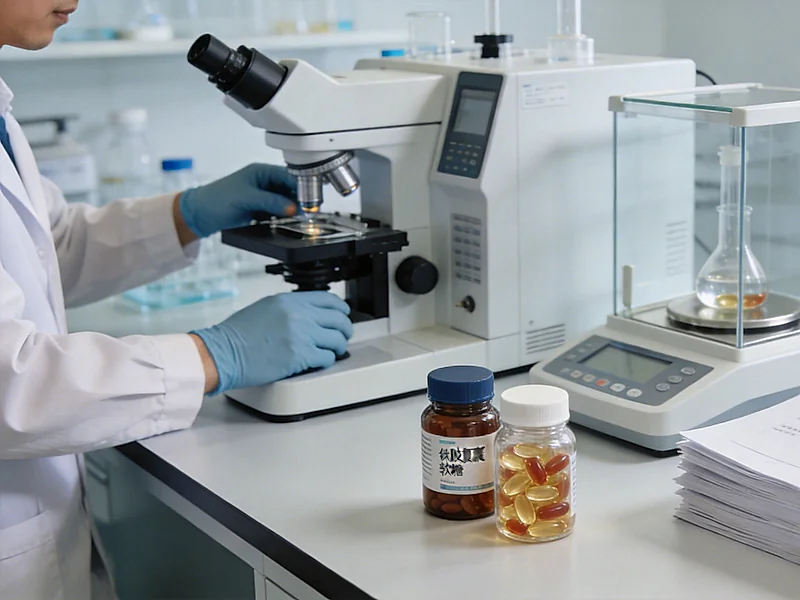
In-house QC is important, but independent third-party testing from an accredited lab adds credibility and independence. Many buyers require it.
How to read a COA
- Check the lot number matches your batch.
- Compare each result against the specification.
- Confirm the testing method and the laboratory.
- Look for a clear pass/fail and the report date.
Red flags: missing lot numbers, results that look copy-pasted across batches, no lab identification, or specifications that are absent entirely.
Why it matters for buyers
A COA supports your due diligence, helps satisfy importers and retailers, and is central to batch traceability.
Frequently asked
Q: Is a COA the same as a specification sheet?
A: No — the spec sheet defines the product; the COA reports one batch against that spec.
Q: Does every batch get its own COA?
A: It should. Per-batch testing and documentation is the standard we follow.
This guide is for general information only and is not regulatory advice.
Gallery